Shoulder Arthritis Care — From Injections to Replacement
A worn shoulder joint doesn't have to mean giving up what you love. Care ranges from therapy and biologic injections to total shoulder replacement when the joint is truly worn out.
What it involves
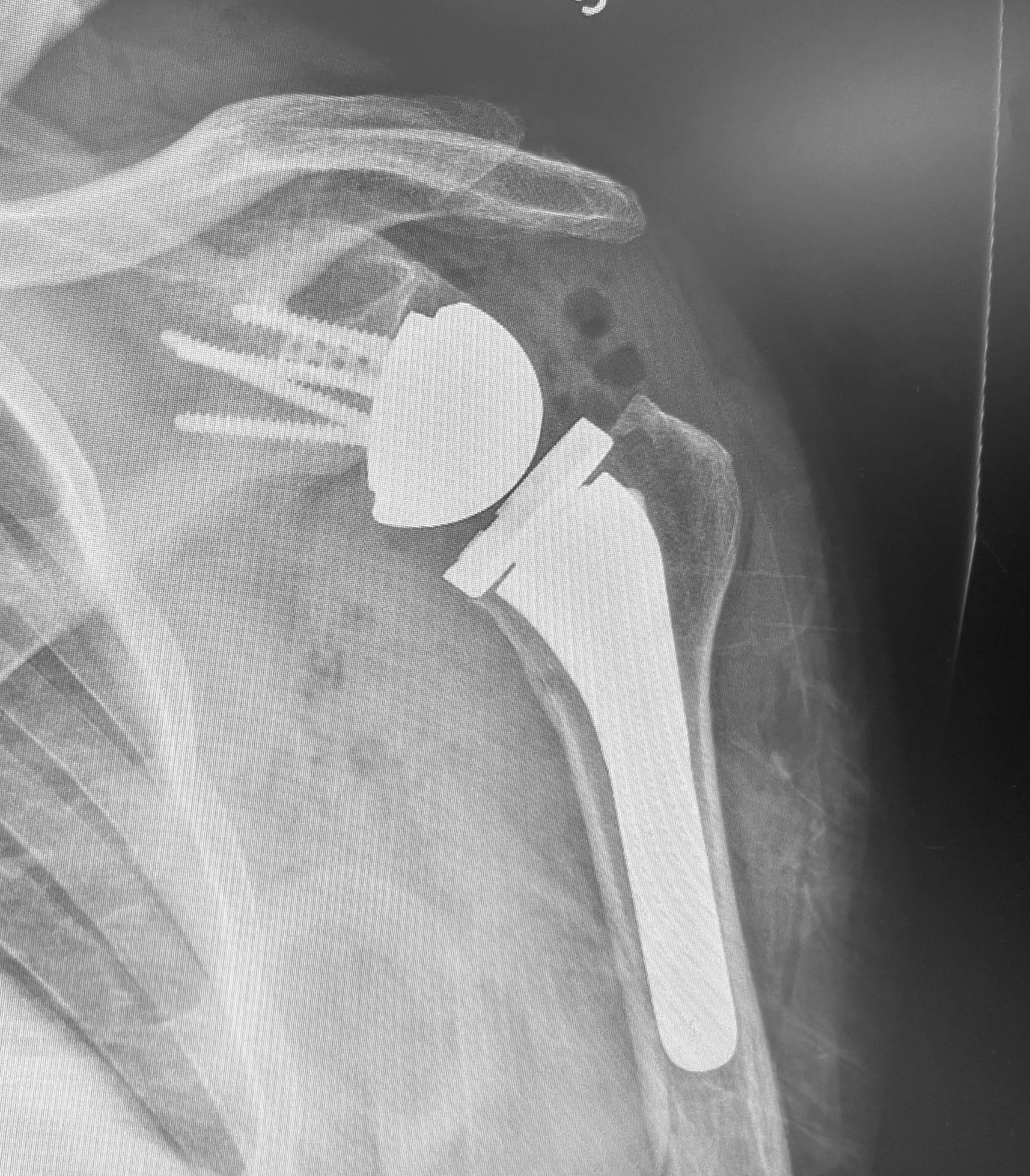
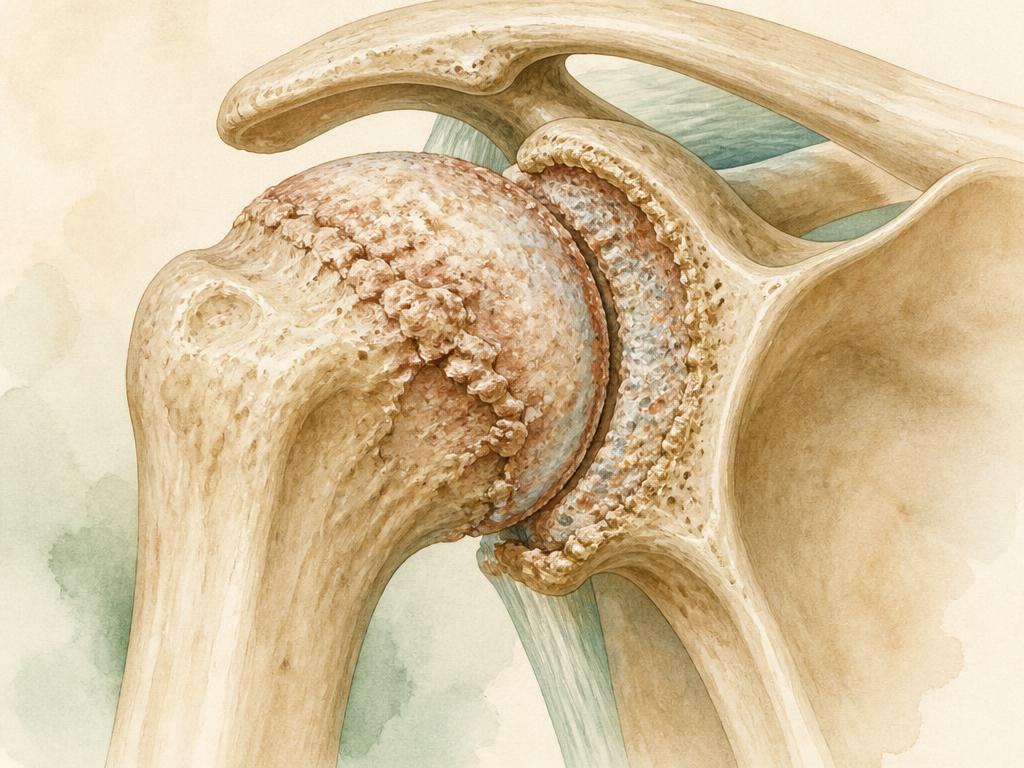
Arthritis care starts with the simplest, least invasive interventions that can help you achieve your goals: physician-directed therapy, activity adjustment, targeted injections and orthobiologics such as PRP, BMAC or microfat for early to moderate wear. When the joint surface is badly worn and pain or stiffness is stealing sleep and function, shoulder replacement — anatomic or reverse, chosen to match your joint and your goals — reliably restores comfort and motion.
Who it helps
- +Shoulder arthritis confirmed on X-ray, at any stage
- +Deep ache, night pain or grinding that limits daily life
- +Stiffness that hasn't responded to therapy or injections
- +Patients told elsewhere that replacement is their only option
Recovery
Injection and biologic care: back to light activity within days. Gradual progression of activity and loading of the treated joint. Shoulder replacement: More downtime needed. Sling for about a month, gradual progression of activity, most patients are back to golf, swimming and daily life by 4-6 months once motion and strength recover.
In the office
We start with an exam and a review of your X-rays. If replacement is ever the right answer, you'll hear exactly why — and if it isn't, you'll hear that too.
Not sure this is your path?
Two quick questions will point you to a sensible starting point.
Other treatments
PRP
A concentrate made from your own blood, injected into an irritated tendon, ligament or joint to support the body's own healing response.
Non-surgicalMicrofat
A small amount of your own fat tissue, gently processed and placed into a painful joint to cushion and calm irritated surfaces.
Non-surgicalBMAC
Cells drawn from your own bone marrow, concentrated and delivered to a damaged joint or tendon to support repair.
Non-surgicalShockwave
Non-invasive acoustic energy directed at a painful tendon or bone to stimulate blood flow and reduce chronic pain.
Non-surgicalLaser therapy
High-power therapeutic laser — photobiomodulation — that reaches deep tissue to calm inflammation, ease pain and support repair. No needles, no anesthetic, no downtime.
Non-surgicalConservative care
The first line of treatment for most joint and tendon problems: activity modification, anti-inflammatories or acetaminophen, ice, bracing or a cane when helpful, and physician-directed physical therapy.
SurgicalArthroscopy
Small-incision joint surgery using a camera and precise instruments — for repair work that biologics and therapy cannot reach.
SurgicalShoulder reconstruction
Rebuilding a shoulder that has lost its stability or its cuff — from anchor-suture repair to complex revision and instability surgery.
Non-surgical & surgicalKnee cartilage care
A joint-preserving approach to knee cartilage problems, from therapy and orthobiologics to arthroscopic repair or cartilage restoration when needed.
Non-surgicalSports medicine & longevity
Care for active adults who want to stay in the game, protect their joints and perform at their best — from injury prevention to recovery and long-term resilience.
General information only — not medical advice. Your plan is confirmed in person after an exam and imaging review.