
Platelet-Rich Plasma (PRP)
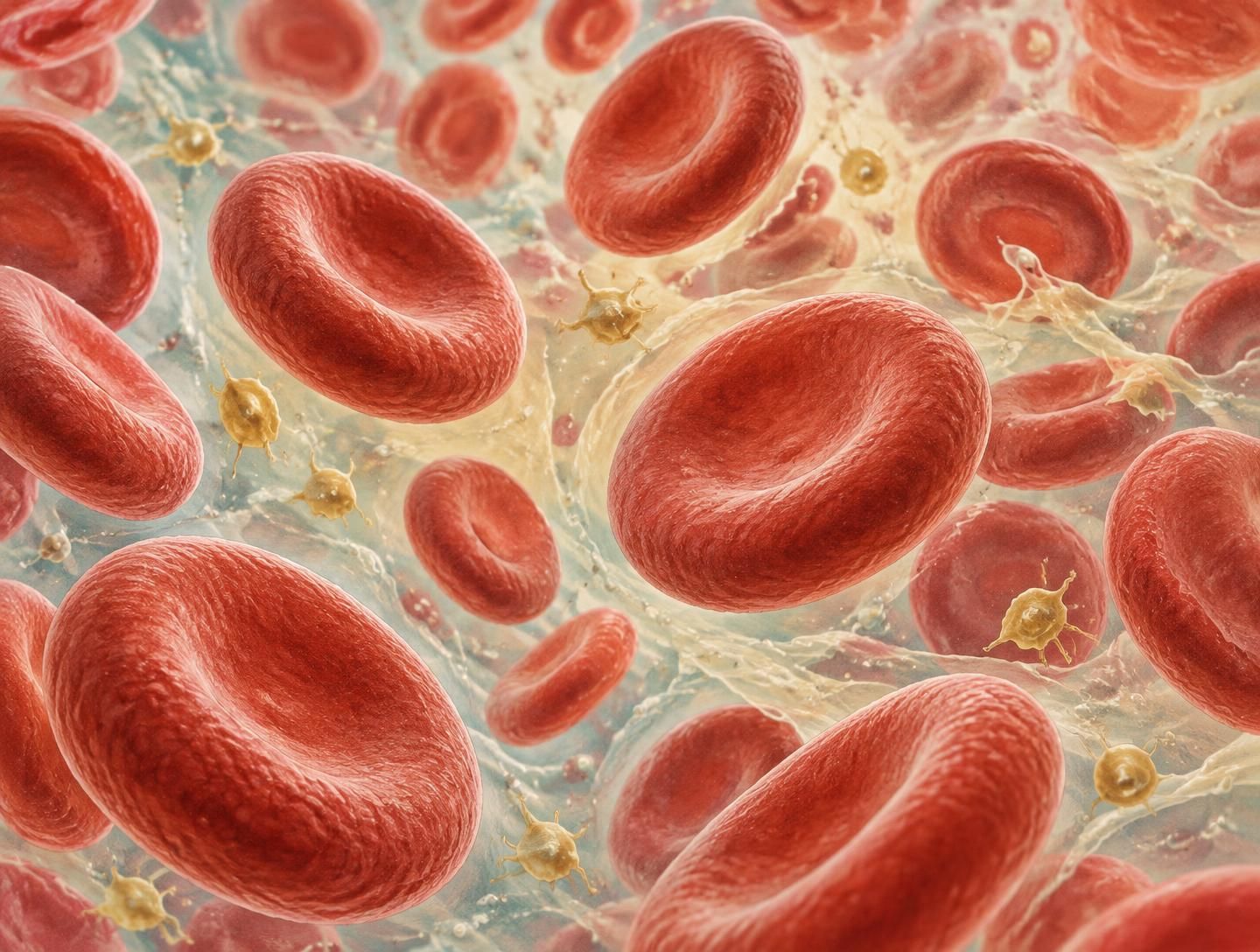
A concentrate made from your own blood, injected into an irritated tendon, ligament or joint to support the body's own healing response.
What it involves
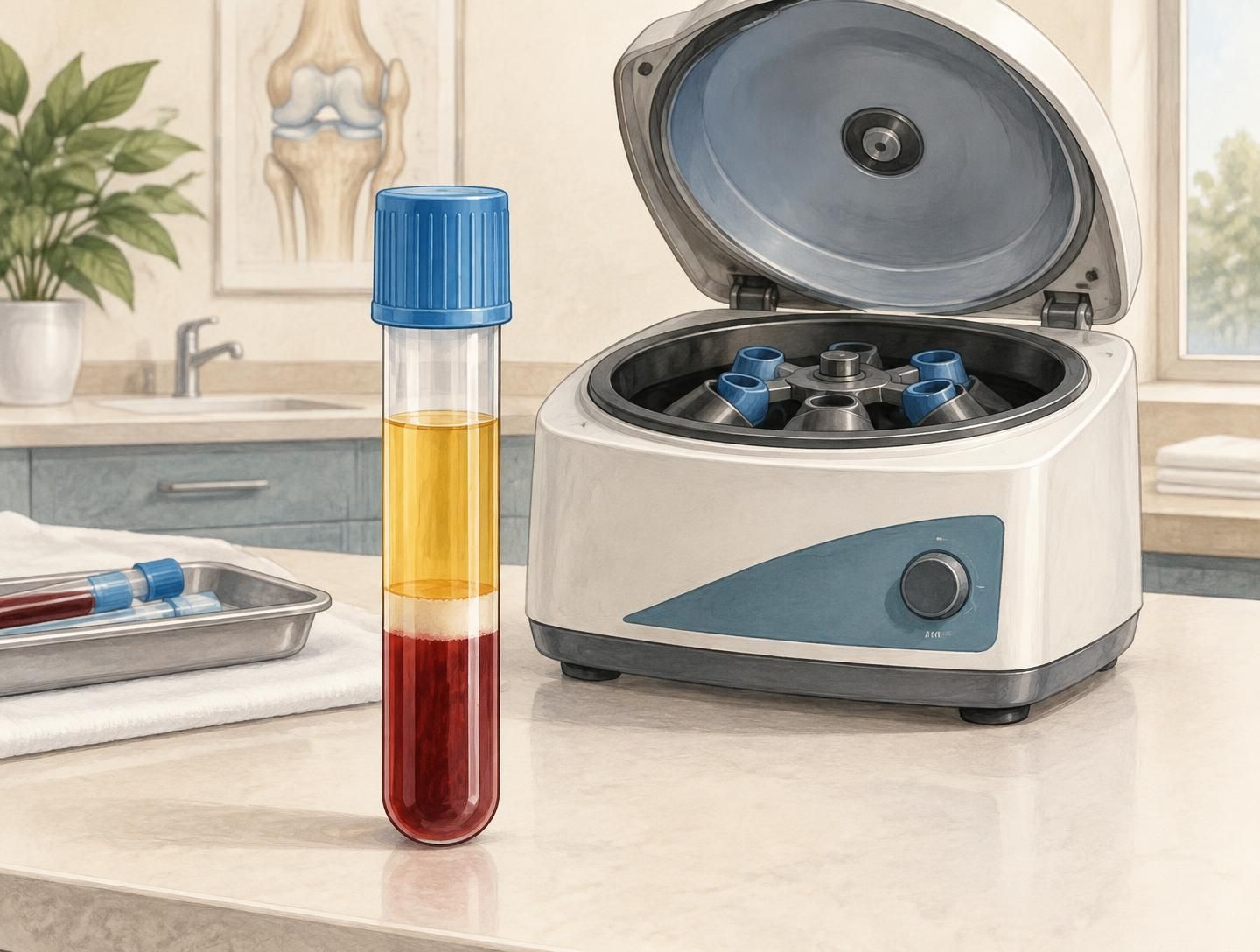
A small blood draw is spun down in the office to concentrate the platelets and growth factors. That concentrate is then injected — usually with ultrasound guidance — precisely where the tissue is struggling. The whole visit typically takes less than an hour.
Who it helps
- +Tendon pain that has not settled with rest or therapy
- +Early or moderate joint arthritis
- +Partial tendon or ligament injuries
- +Anyone hoping to delay or avoid surgery
Recovery
Expect some soreness for a few days. Most people resume light activity right away and follow a directed therapy plan over the following weeks.
In the office
We review your imaging and exam first, using ultrasound when it adds useful detail. PRP is recommended only when the tissue and your goals make it a reasonable option.
Common questions
Does it hurt?+
The blood draw feels like any lab draw. The injection itself is brief; a joint injection is usually easy, while a tendon injection can ache for a day or two afterwards. Numbing medicine is used at the skin.
How many treatments will I need?+
Many tendon and early-arthritis problems respond to one treatment. Some benefit from a second at six to twelve weeks. I would rather reassess than commit you to a package up front.
How soon will I know if it worked?+
PRP is not a painkiller — it works by improving the tissue over time. Most people notice change between weeks four and eight, with continued improvement to three months.
Is it covered by insurance?+
Usually not. Orthobiologic injections are generally self-pay. The office will give you the exact cost before anything is scheduled.
Do I have to stop my anti-inflammatories?+
Typically yes, for about a week before and two weeks after, since the treatment relies on an inflammatory healing signal. We will go through your medication list together.
Not sure this is your path?
Two quick questions will point you to a sensible starting point.
Other treatments
Microfat
A small amount of your own fat tissue, gently processed and placed into a painful joint to cushion and calm irritated surfaces.
Non-surgicalBMAC
Cells drawn from your own bone marrow, concentrated and delivered to a damaged joint or tendon to support repair.
Non-surgicalShockwave
Non-invasive acoustic energy directed at a painful tendon or bone to stimulate blood flow and reduce chronic pain.
Non-surgicalLaser therapy
High-power therapeutic laser — photobiomodulation — that reaches deep tissue to calm inflammation, ease pain and support repair. No needles, no anesthetic, no downtime.
Non-surgicalConservative care
The first line of treatment for most joint and tendon problems: activity modification, anti-inflammatories or acetaminophen, ice, bracing or a cane when helpful, and physician-directed physical therapy.
SurgicalArthroscopy
Small-incision joint surgery using a camera and precise instruments — for repair work that biologics and therapy cannot reach.
SurgicalShoulder reconstruction
Rebuilding a shoulder that has lost its stability or its cuff — from anchor-suture repair to complex revision and instability surgery.
Non-surgical & surgicalShoulder arthritis
A worn shoulder joint doesn't have to mean giving up what you love. Care ranges from therapy and biologic injections to total shoulder replacement when the joint is truly worn out.
Non-surgical & surgicalKnee cartilage care
A joint-preserving approach to knee cartilage problems, from therapy and orthobiologics to arthroscopic repair or cartilage restoration when needed.
Non-surgicalSports medicine & longevity
Care for active adults who want to stay in the game, protect their joints and perform at their best — from injury prevention to recovery and long-term resilience.
General information only — not medical advice. Your plan is confirmed in person after an exam and imaging review.